

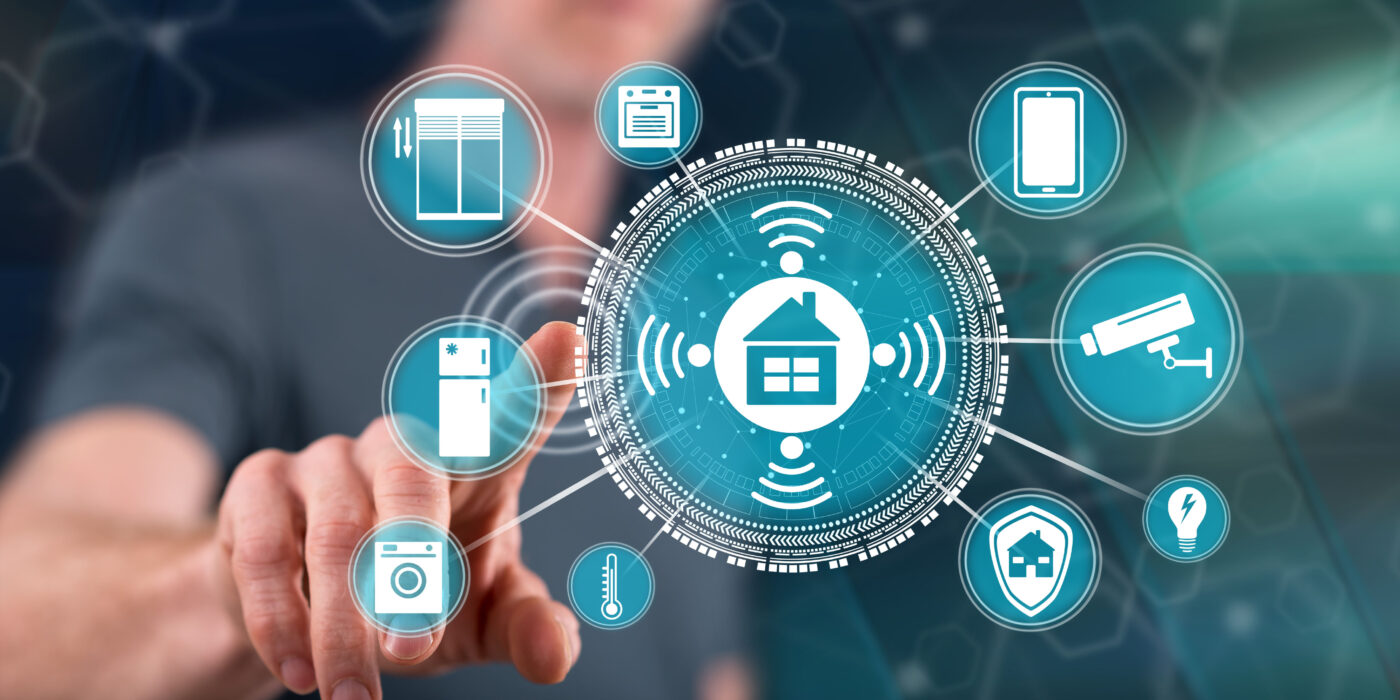
Smart Homes

Energy Saving with Artificial Intelligence

New devices and HVAC systems “learn” the occupants’ habits and automatically adjust their operation. Artificial intelligence helps reduce electricity consumption without sacrificing comfort. It is often combined with solar panels and energy storage systems.

Voice Control

Voice commands are increasingly integrated into homes. Through platforms like Alexa, Google Assistant, or Siri, users can control lighting, temperature, blinds, and appliances without getting off the couch. It’s especially useful for people with mobility issues.

Integrated Automation

All devices and subsystems in the home (e.g., lighting, cameras, thermostats) communicate with each other and are controlled via an app. Users can create “scenarios” (e.g., “night mode” or “away from home”) for more efficient and personalized use. This technology increases comfort and reduces waste.

Smart Security Systems

Traditional alarms are being replaced by systems with facial recognition, motion sensors, real-time alerts, and remote management capabilities. You can see who rang the doorbell or lock your home from your phone, no matter where you are.

Sustainability & Ecological Approach

New homes incorporate solutions that reduce the ecological footprint: energy-efficient materials, solar panels, and systems for water collection and reuse.The design of houses now takes into account not only cost-efficiency but also their contribution to climate balance.
Prefabricated Homes: The Evolution of Modern Construction

Prefabricated homes have been transformed, moving far beyond their old image of a simple “mobile home.” Today, they represent high-quality residences, designed with a strong emphasis on energy efficiency, durability, and aesthetics. The use of advanced materials and strict quality control at every stage of production ensures an excellent result that perfectly meets contemporary living needs.

This revolution is largely due to modern construction methods. Building in a controlled factory environment speeds up the process and reduces errors, unlike on-site construction which is often at the mercy of weather conditions. Automated processes and assembly in modules allow for faster and more efficient erection, delivering your dream home in a significantly shorter timeframe.

Beyond speed, modern construction techniques offer significant economic and environmental benefits. The optimization of material use in the factory minimizes waste, while the reduced need for on-site labor lowers costs. Furthermore, the focus on energy efficiency through specialized insulation and systems leads to lower energy bills and a smaller environmental footprint.

In summary, prefabricated homes, supported by modern construction methods, represent the future of housing. They offer an efficient, fast, and sustainable way to acquire a home that meets the needs of the 21st century. If you’re looking for a solution that combines quality, speed, economy, and environmental consciousness, prefabricated homes are definitely worth your consideration.

Sustainable and Ecological Materials in Modern Buildings

The need for environmentally friendly construction has led to the increasing use of sustainable and eco-friendly materials in the building sector. These materials are characterized by a low environmental footprint both during production and disposal, and are often recyclable or biodegradable. Examples of such materials include wood from certified plantations, insulation panels made from natural fibers, and paints free from volatile organic compounds (VOCs).

Another important advantage of eco-friendly materials is their positive impact on the health of the occupants. Unlike traditional building products that may emit toxic substances, sustainable materials promote a cleaner and healthier indoor air quality. This is especially important for vulnerable groups, such as children and individuals with respiratory conditions.

In addition, the use of sustainable materials is linked to energy efficiency and lower operating costs. Properly designed insulation systems, materials with high thermal mass, and natural lighting help reduce the need for heating, cooling, and artificial lighting, resulting in significant energy savings.

Finally, incorporating eco-friendly materials into a building enhances environmental awareness and contributes to its certification under international standards such as LEED or BREEAM. As the climate crisis intensifies, the shift toward sustainable construction is no longer a choice, but a necessity.